


Managing Stress in Life and at Work
Discover how to manage stress effectively with proven strategies. Learn a few tips for handling workplace stress, building resilience, and living stress-free.
MENTAL WELLNESSSTRESS
Sharada Sharma
12/2/20243 min read
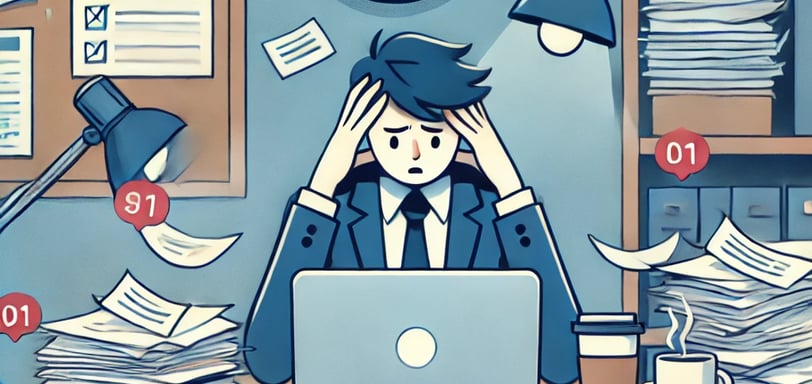
"It’s not stress that kills us, it is our reaction to it." – Hans Selye
One rainy morning, Emily rushed to her office, umbrella in one hand, coffee in the other. Her inbox was overflowing, her boss was waiting for an update, and her team was scrambling to meet deadlines. By the end of the day, she felt drained—mentally and physically.
If this feels familiar, you're not alone. Stress has become a common part of modern life. Whether it’s about balancing personal life or tackling workplace challenges, stress can creep in and impact our overall well-being. Let’s explore what stress is, why it happens, and how to deal with it effectively.
Understanding Stress: What It Really Means
Stress is the body’s natural response to challenges or demands. It triggers a “fight or flight” reaction, releasing hormones like adrenaline and cortisol. While short-term stress can motivate you, chronic stress can harm your physical and mental health.
Types of Stress
Acute Stress: A sudden reaction to an immediate threat, like meeting a tight deadline.
Chronic Stress: Long-term stress, often caused by ongoing issues like financial problems or toxic workplaces.
Episodic Stress: Frequent episodes of acute stress, often affecting perfectionists or overachievers.
Learn more about stress and its effects here
Why Stress at Work is Common
Workplace stress is one of the leading causes of mental health issues today. A recent survey by the American Institute of Stress found that 83% of workers suffer from work-related stress.
Common Workplace Stressors
Heavy Workloads: Unrealistic expectations and deadlines.
Lack of Control: Limited autonomy in decision-making.
Toxic Environment: Poor management, office politics, or bullying.
Job Insecurity: Fear of losing your job.
These factors can lead to burnout, which diminishes productivity and happiness.
Signs You are Stressed: Listen to Your Body
Stress does not always announce itself loudly. Sometimes, it whispers through subtle symptoms.
Physical Signs: Fatigue, headaches, rapid heart rate.
Emotional Signs: Irritability, anxiety, feeling overwhelmed.
Behavioral Signs: Procrastination, poor sleep, withdrawal.
Identifying these early signs can help you manage stress before it spirals out of control.
Proven Techniques to Manage Stress
Managing stress is about building habits and using tools that promote calmness and clarity.
1. Practice Mindfulness
Mindfulness involves being present in the moment. Simple practices like deep breathing, meditation, or mindful walking can reduce stress.
Try this: Take 5 minutes to focus on your breath. Breathe in deeply for 4 seconds, hold for 4 seconds, and exhale for 4 seconds.
2. Organize Your Time
Prioritize tasks with tools like to-do lists or productivity apps. Break larger tasks into smaller, manageable steps.
3. Communicate Effectively
Don’t hesitate to express your concerns to your boss or team. Clear communication can resolve misunderstandings and reduce workplace tension.
4. Physical Activity
Regular exercise releases endorphins, improving your mood and reducing stress. A quick walk during your lunch break can work wonders.
5. Seek Support
Talk to a trusted friend, family member, or therapist. Sharing your feelings can provide relief and new perspectives.
Stress and the Workplace: Building Resilience
The Role of Employers
Workplaces should foster a supportive environment. Offering flexible hours, wellness programs, and regular breaks can significantly reduce stress.
How to Build Personal Resilience
Stay Adaptable: Learn to embrace change.
Set Boundaries: Respect your personal time. Avoid checking emails after work hours.
Celebrate Small Wins: Acknowledge your progress, even if it’s tiny.
Long-Term Strategies for Stress-Free Living
While immediate fixes are helpful, long-term strategies ensure lasting peace.
1. Develop a Routine
Consistency creates balance. Set fixed times for meals, sleep, and exercise.
2. Focus on Nutrition
What you eat affects how you feel. Include stress-busting foods like nuts, leafy greens, and dark chocolate in your diet.
3. Keep Learning
Pick up a hobby, enroll in a course, or read a book. Growth keeps your mind engaged and stress-free.
4. Disconnect to Reconnect
Unplugging from technology can help you recharge. Try a digital detox for a day each week.
Explore the benefits of digital detox.
The Future of Stress Management
In the fast-paced world we live in, stress is unlikely to disappear entirely. But by developing the right skills and mindset, you can learn to manage it effectively.
The next time life gets overwhelming, remember: stress is a part of life, but it does not have to control yours. Choose strategies that resonate with you and start building a healthier, happier life today.
What are your experiences and thoughts regarding stress?


Sign Up With Email
© 2024. whispersofmind.in. All rights reserved.
Be the first one to explore new insights on psychology and mental health.