


"The Mind's Eye" and Aphantasia
Discover and learn what aphantasia is, how it affects the mind, and ways to cope. Learn more about living without mental images and embracing your unique brain.
MINDFULNESS
Sharada Sharma
12/7/20245 min read
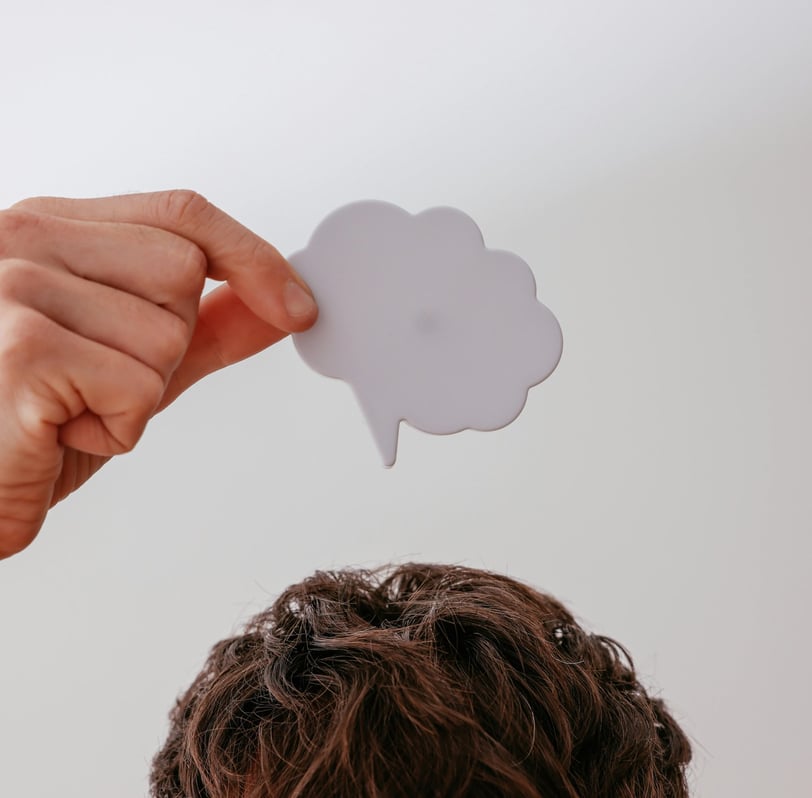
Have you ever been able to close your eyes and vividly picture a beach, a forest, or a loved one's face? For most people, this mental imagery is a natural part of thinking. But for others, it’s something they simply can't do.
This condition is called aphantasia, and it refers to the inability to visualize images in the mind’s eye. While some of us can imagine scenes, faces, or objects in great detail, others experience a blank mental canvas when they try.
Imagine not being able to recall the face of a childhood friend, or not being able to picture your favorite vacation spot. For those living with aphantasia, this is their reality. Let's dive into what aphantasia is, how it affects individuals, and how people cope with it.
What Is Aphantasia?
Aphantasia is a neurological phenomenon where individuals are unable to visualize images in their mind’s eye. People with aphantasia lack what’s often called the "mind’s eye" – the ability to create visual images mentally. This means they can think abstractly and process information, but when it comes to mental imagery, it's as though their brain is missing the switch to generate pictures.
This condition was first named by Professor Adam Zeman of the University of Exeter in 2015 after conducting research on patients who reported the inability to visualize. Though it's a relatively new field of study, the concept of aphantasia has grown in recognition.
Causes of Aphantasia
Currently, the causes of aphantasia aren’t fully understood. However, researchers believe that the condition may be linked to how the brain processes information. Some potential causes include:
Neurological factors: Aphantasia may stem from differences in the brain's visual processing regions, particularly the occipital lobe, which is responsible for visual processing.
Trauma or injury: In some cases, aphantasia can occur after a head injury or stroke that affects areas of the brain associated with visualizing mental images.
Genetics: It may also be genetic, with some families reporting multiple members who experience the condition.
While there are still many unknowns, it's clear that aphantasia affects a person's ability to visualize, not their intelligence or imagination.
Signs of Aphantasia
For most people with aphantasia, the condition becomes noticeable early on in life. However, many individuals only realize they have it when they learn about the ability to visualize.
Some of the signs include:
Inability to form mental images: When asked to imagine a scene or a person, a person with aphantasia may only experience a blank space.
Difficulty remembering faces: Individuals with aphantasia may find it challenging to picture the face of a friend or relative without external aids like photos.
Problems with memory recall: Without mental imagery, remembering past experiences or events can be harder for people with aphantasia.
How Does Aphantasia Affect Daily Life?
Living with aphantasia may seem like an invisible challenge, but it can have a profound impact on various aspects of life. Some people may not realize that others can vividly imagine things because they’ve never had the ability themselves.
1. Memory and Learning
Aphantasia can affect memory recall. For example, when studying for a test, individuals with this condition might rely more on verbal or conceptual understanding rather than visualizing concepts. It can also be more difficult to remember details like faces, places, or events.
2. Creativity and Problem-Solving
People with aphantasia may approach creativity differently. Without the ability to mentally picture objects or scenes, they might develop strategies like thinking in words or focusing on facts rather than images. Some artists and writers with aphantasia have even said they create through non-visual senses, such as touch or sound, rather than mental imagery.
3. Emotional Connection and Relationships
For those with aphantasia, personal memories involving visual imagery may be harder to relive. This might make reminiscing about experiences or connecting with others through shared memories more difficult. However, it’s important to note that emotional connections and the ability to form strong bonds are not impaired by aphantasia.
Coping with Aphantasia
While living with aphantasia presents challenges, there are ways to adapt and find strategies that work best for the individual. Here are some tips for coping:
1. Embrace Alternative Techniques for Memory
Instead of relying on visual memory, individuals with aphantasia can strengthen their recall through other means. For instance, focusing on the sounds, emotions, or tactile sensations tied to memories can offer a more complete recollection of experiences.
2. Use Descriptive Language
For creative pursuits like writing or art, those with aphantasia can rely on descriptive language to communicate ideas or emotions instead of relying on mental images. By focusing on words and feelings, it’s possible to create rich, imaginative work without visualizing.
3. Focus on Non-Visual Forms of Learning
People with aphantasia may find it helpful to approach learning by focusing on auditory or kinesthetic modes. Listening to lectures, using tactile learning aids, or practicing hands-on techniques can help overcome the lack of visual imagery.
The Positive Side of Aphantasia
While aphantasia may seem like a limitation, it also has unique advantages. People with aphantasia may:
Have fewer distractions: Without vivid mental imagery, it’s possible to focus on tasks without visual distractions.
Develop stronger abstract thinking: Aphantasia may encourage thinking in concepts and words rather than images, fostering stronger analytical and problem-solving skills.
Possess unique creativity: Many people with aphantasia excel in fields like mathematics, music, and writing, where imagination doesn’t require visualization.
Understanding and appreciating the differences in how people experience the world can lead to more inclusive environments, where various approaches to creativity and learning are recognized and celebrated.
How to Support Someone with Aphantasia
If someone in your life has aphantasia, it’s essential to offer support and understanding. Here are some ways you can help:
Listen and be empathetic: Understand that their experience is different but not necessarily limiting. Offer an open ear when they discuss challenges related to aphantasia.
Encourage adaptive strategies: Help them discover strategies that work for them, whether through non-visual learning techniques or alternative ways to express creativity.
Avoid judgment: People with aphantasia may feel self-conscious about not being able to visualize. Be kind and supportive rather than dismissive of their experience.
Conclusion: Embrace Your Mind’s Uniqueness
Aphantasia is just one of the many ways the human brain can work differently. While it might feel strange not to be able to visualize in the way others do, those with aphantasia have adapted unique strategies that allow them to live fulfilling, creative, and successful lives. It’s important to remember that everyone’s mind works differently – and that’s something to be celebrated.
If you or someone you know has aphantasia, share your experiences with us. What strategies have helped you live with this condition? We’d love to hear your thoughts in the comments or through a message.
Resources for reference:
University of Exeter - Aphantasia Research
This is where the term "aphantasia" was first coined. The research page offers insight into studies on the condition and its impact on memory and imagination.
Aphantasia Research at University of Exeter
The Aphantasia Network
A community of individuals with aphantasia sharing their experiences, advice, and support. It's a valuable resource for understanding how people cope with the condition.
The Aphantasia Network
TEDx Talk: "The Mind's Eye: The Mystery of Aphantasia"
This TEDx talk explains the concept of aphantasia in a detailed and engaging way, offering both personal stories and scientific insights.
The Mind's Eye: The Mystery of Aphantasia - TEDx Talk
Aphantasia: The Condition of No Mental Imagery (Psychology Today)
A comprehensive article explaining the science behind aphantasia and how it affects individuals’ lives and memories.
Psychology Today: Aphantasia
Aphantasia: A Guide to Living Without Mental Imagery (BBC News)
A great overview of the condition, including interviews with people who experience it and insights from researchers.
BBC News: Aphantasia
The Aphantasia Podcast
A podcast dedicated to exploring the world of aphantasia, featuring personal stories, interviews, and expert insights.
The Aphantasia Podcast
Scientific American: Aphantasia, the Condition of “Blind Thinking”
An article exploring the implications of aphantasia from a scientific standpoint, discussing the brain's visual processing system and what it means for those with the condition.
Scientific American: Aphantasia
These resources will provide additional depth and context to your understanding of aphantasia, its effects, and ways to cope.
Sign Up With Email
© 2024. whispersofmind.in. All rights reserved.
Be the first one to explore new insights on psychology and mental health.