


The Power of Breath: How Breathing Techniques Can Boost Your Mental Wellness
Discover the profound impact of something as simple and essential as breathing. In this blog, we explore the science, benefits, and techniques behind mindful breathing practices. Learn how controlled breathing can reduce stress, boost mental clarity, and improve overall well-being. Whether you're looking to enhance your meditation practice, manage anxiety, or simply find moments of calm in a chaotic world, "The Power of Breath" reveals how this natural tool can transform your mind and body. Breathe deeply, live fully—it's time to unlock the true potential of your breath.
SELF-IMPROVEMENT
Sharada Sharma
12/23/20246 min read
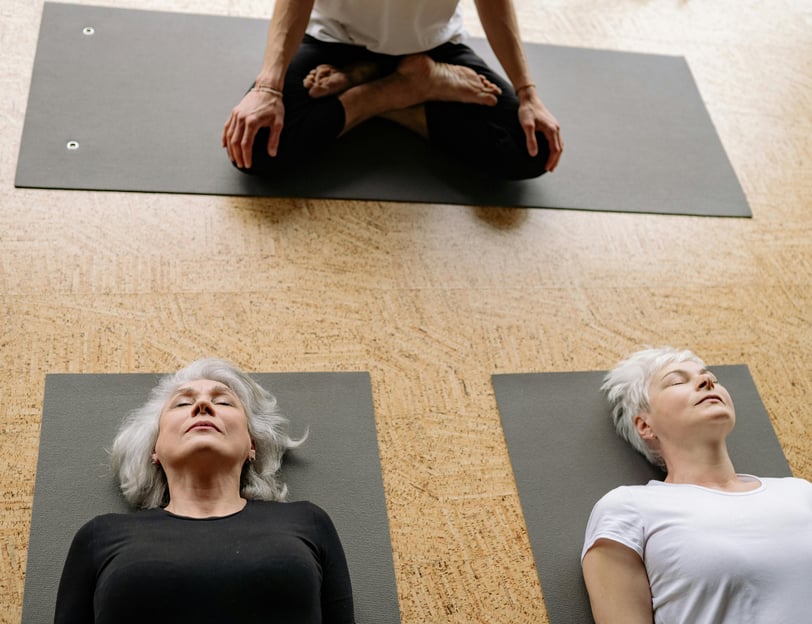
In today’s busy world, we often forget to tap into one of the most powerful tools we already have: our breath. It's automatic, happening without us thinking about it, but what if we could use it consciously to reduce stress, sharpen focus, and improve our overall health? The good news is, you can. By incorporating simple breathing techniques into your daily routine, you can unlock a profound impact on your mental well-being. Let's explore how mastering your breath can transform your life.
Why Breathing Matters
Most of us take breathing for granted, but it’s actually one of the most effective ways to impact both our physical and mental state. When we breathe mindfully, we can tap into our body’s natural ability to relax and heal. Breathing deeply activates the parasympathetic nervous system, which is responsible for calming the body and reducing stress. In a world where we’re often stressed, anxious, or overwhelmed, conscious breathing can serve as an anchor to bring us back to balance.
Imagine being able to reduce anxiety, boost focus, and increase calmness—simply by focusing on your breath. Sounds powerful, right? It is.
Breathing for Stress Relief
Stress is something we all face, whether it’s from work, relationships, or daily pressures. The good news is that you don’t have to look far for a solution. One of the easiest ways to manage stress is through mindful breathing. When we breathe mindfully, we shift our focus from the chaos around us to the present moment, allowing our bodies and minds to relax.
One of the most effective techniques for stress relief is diaphragmatic breathing, also known as belly breathing. This technique involves breathing deeply into your abdomen, rather than shallowly into your chest, activating the body’s natural relaxation response. By doing so, you reduce the production of cortisol, the stress hormone, and create a sense of calm.
The Science Behind Deep Breathing
Studies have shown that 5-10 minutes of deep breathing each day can significantly affect your overall health. It’s not just about feeling relaxed in the moment—deep breathing has long-term benefits. It lowers blood pressure, reduces heart rate, and mimics the effects of meditation. This means that by incorporating deep breathing into your daily routine, you can promote mental clarity, peace, and physical health.
Think about it: when you’re anxious, your heart races, your thoughts spiral, and it’s hard to focus. But with just a few minutes of focused breathing, you can counteract these effects, shifting your body into a state of relaxation. It’s like pressing the “reset” button for your nervous system.
Real-Life Impact: Sarah’s Story
Let’s take a look at Sarah, a 32-year-old professional who found herself overwhelmed by the pressures of work. She was juggling deadlines, managing a team, and often felt like she was running on empty. The stress was affecting her sleep, her energy, and her ability to focus during the day. Sarah knew she needed to make a change but wasn’t sure where to start.
After reading about the power of diaphragmatic breathing, she decided to give it a try. She committed to practicing deep breathing during her lunch breaks—just five minutes to focus on her breath. At first, Sarah felt a little self-conscious. But as she practiced regularly, she began to notice significant improvements. Her anxiety decreased, and she found that she could stay calm even during stressful meetings. By the end of the week, she felt more centered and in control, with a clearer mind and sharper focus.
Sarah’s story is a perfect example of how simple breathing techniques can lead to lasting improvements in mental well-being. It doesn’t take much time to make a difference, and the benefits are immediate.
The Power of Box Breathing
Another highly effective breathing technique is box breathing. This technique, also known as square breathing, is used by athletes, military personnel, and performers to stay calm under pressure. It’s structured, easy to learn, and incredibly effective.
Here’s how it works: Inhale for four counts, hold your breath for four counts, exhale for four counts, and hold again for four counts. Repeat this cycle for a few minutes. The rhythmic pattern of box breathing helps calm the mind and reduce stress by focusing your attention solely on the breath.
Why Box Breathing Works
Box breathing works because it helps reset your nervous system. When you’re stressed or anxious, your breath often becomes shallow and quick. Box breathing counteracts this by slowing down your breath, which activates the parasympathetic nervous system—the part of your body responsible for relaxation. As a result, you feel more focused, more in control, and more at peace.
Studies show that box breathing can improve concentration, reduce stress, and increase performance under pressure. It’s been used by elite athletes to stay calm and focused during competitions, and it’s just as beneficial for everyday life. Whether you’re preparing for a big presentation, an exam, or even a difficult conversation, box breathing can help you manage stress and approach the situation with clarity.
Breathing Techniques for Focus and Clarity
Breathing isn’t just about relaxation—it can also enhance mental performance. Focusing on your breath helps clear mental clutter and sharpens your focus. When you slow down your breath, you signal to your brain that it’s time to concentrate. This shift in focus allows you to be present in the moment and work more efficiently.
Try this: next time you’re feeling scattered or distracted, pause for a few minutes and focus on your breath. Start by taking deep belly breaths, then gradually work up to more structured techniques like box breathing. You’ll find that, even after just a few minutes, you’ll feel more grounded, more present, and more capable of tackling your tasks.
Breathing for Sleep and Relaxation
If you struggle with sleep, breathing techniques can be a game-changer. Our minds tend to race at night, making it difficult to fall asleep or stay asleep. The good news is, by focusing on your breath, you can signal to your body that it’s time to wind down.
4-7-8 breathing is another simple yet powerful technique for sleep. Here’s how it works: inhale for four counts, hold your breath for seven counts, and exhale slowly for eight counts. Repeat this cycle several times before bed. The extended exhale helps activate the body’s relaxation response, calming the nervous system and preparing you for restful sleep.
By practicing 4-7-8 breathing before bedtime, you can quiet your mind, lower your heart rate, and prepare your body for sleep. It’s a natural and effective alternative to relying on screens or medications to fall asleep.
How to Start Incorporating Breathing Techniques
The best part about breathing techniques is that they’re simple, free, and can be done anywhere. You don’t need any special equipment or a lot of time. Just a few minutes each day can make a big difference. Here’s how you can start:
Start with Diaphragmatic Breathing: Spend 5-10 minutes a day practicing deep belly breaths. Find a quiet space, sit comfortably, and focus on filling your belly with air as you inhale. As you exhale, imagine releasing tension from your body.
Practice Box Breathing: Use box breathing to calm your nerves before stressful situations. Whether you’re about to give a presentation, take an exam, or deal with a tough conversation, this technique can help you stay calm and focused.
Try 4-7-8 Breathing for Sleep: Before bedtime, try the 4-7-8 technique to help you unwind and fall asleep faster.
Breathe Throughout the Day: Whenever you feel overwhelmed or stressed, take a few moments to pause and focus on your breath. It can be as simple as taking a few deep breaths between tasks or while waiting for a meeting to start.
The Benefits of Breathwork
Incorporating breathwork into your daily routine can lead to a wide range of benefits, including:
Reduced Stress and Anxiety: Breathing deeply activates your parasympathetic nervous system, calming your body and mind.
Improved Focus and Concentration: Breathing techniques help clear mental clutter and boost your ability to focus.
Better Sleep: Practices like 4-7-8 breathing promote relaxation, making it easier to fall asleep.
Increased Energy: Deep breathing helps oxygenate the body, increasing energy and reducing feelings of fatigue.
Enhanced Overall Well-Being: By taking just a few minutes each day to focus on your breath, you can improve both your mental and physical health.
Conclusion: Your Breath is Your Best Ally
Breathing is something we all do naturally, but by consciously focusing on it, we can unlock its incredible power. Whether you’re looking to reduce stress, improve focus, or get better sleep, breathing techniques offer a simple, effective solution. Best of all, they’re free, easy to practice, and can be done anywhere.
So, take a deep breath and embrace the power of your breath. With just a few minutes of focused breathing each day, you can transform your mental wellness and lead a more balanced, focused, and peaceful life. Your breath is your best ally—use it to your advantage.
Sign Up With Email
© 2024. whispersofmind.in. All rights reserved.
Be the first one to explore new insights on psychology and mental health.